
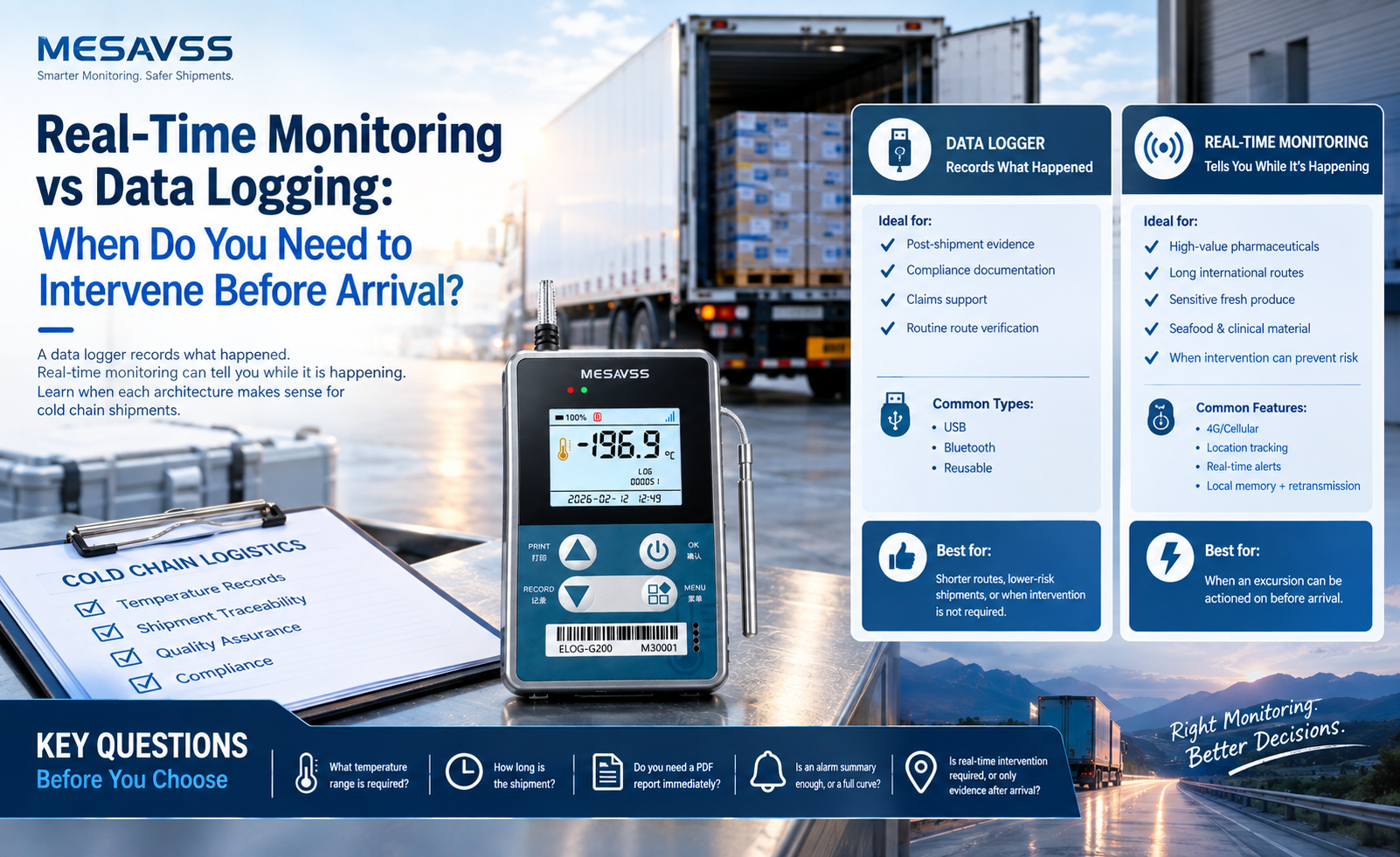
Real-Time Monitoring vs Data Logging: When Do You Need to Intervene Before Arrival?
A data logger records what happened. Real-time monitoring tells you as it happens. Learn when each architecture makes sense for cold chain shipments.
Practical cold chain insights and how-to guides.
A data logger records what happened. Real-time monitoring tells you as it happens. Learn when each architecture makes sense for cold chain shipments.
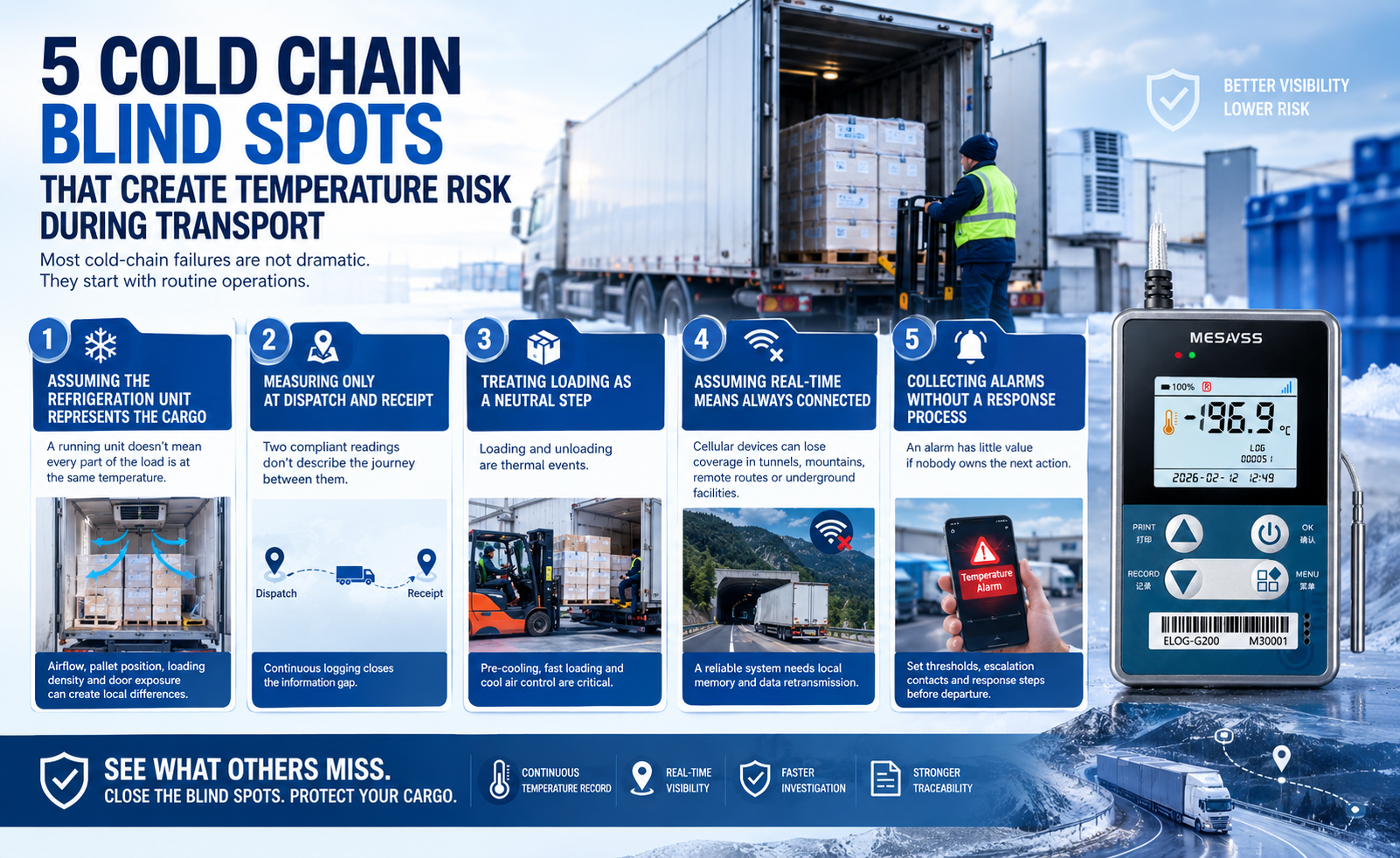
Cold-chain failures often begin with routine operations rather than dramatic equipment breakdowns. Here are five common blind spots and what better monitoring can reveal.
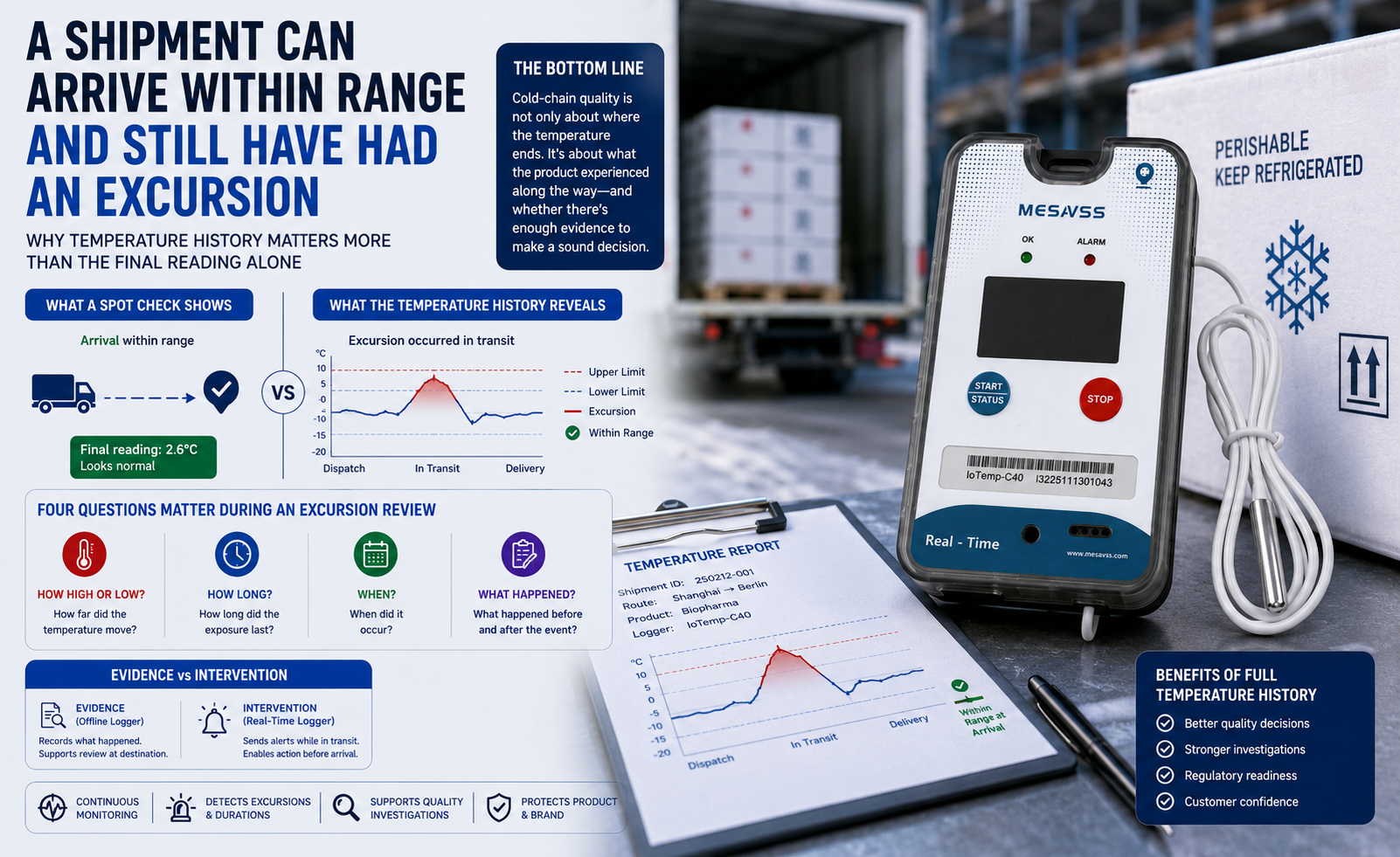
Yes. Cooling can restore the measured temperature before delivery. Learn why excursion duration, timing and full temperature history matter more than the final reading alone.
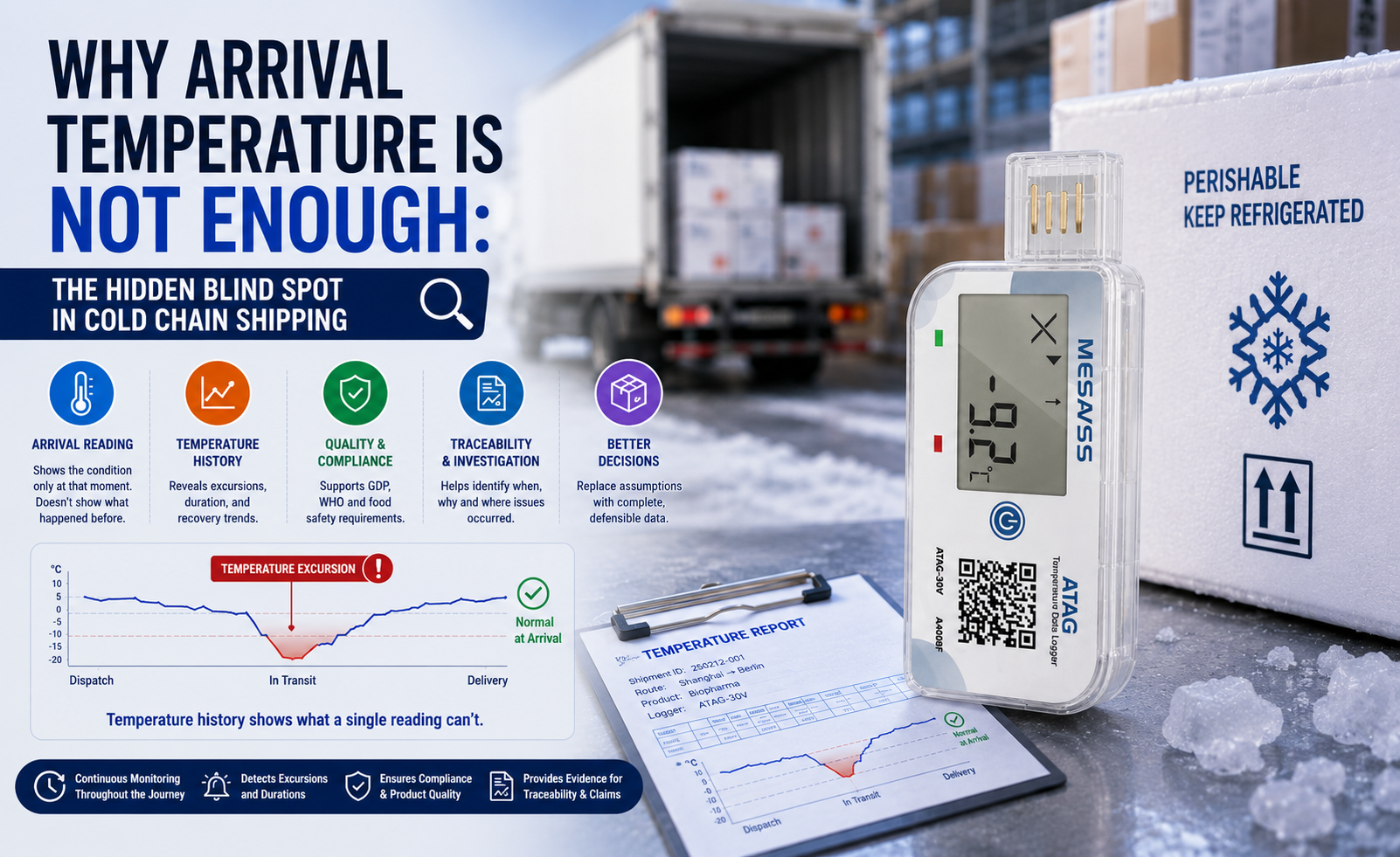
A normal temperature at delivery does not prove the shipment stayed within range during transport. Learn why continuous temperature history matters for cold chain quality, traceability and investigations.
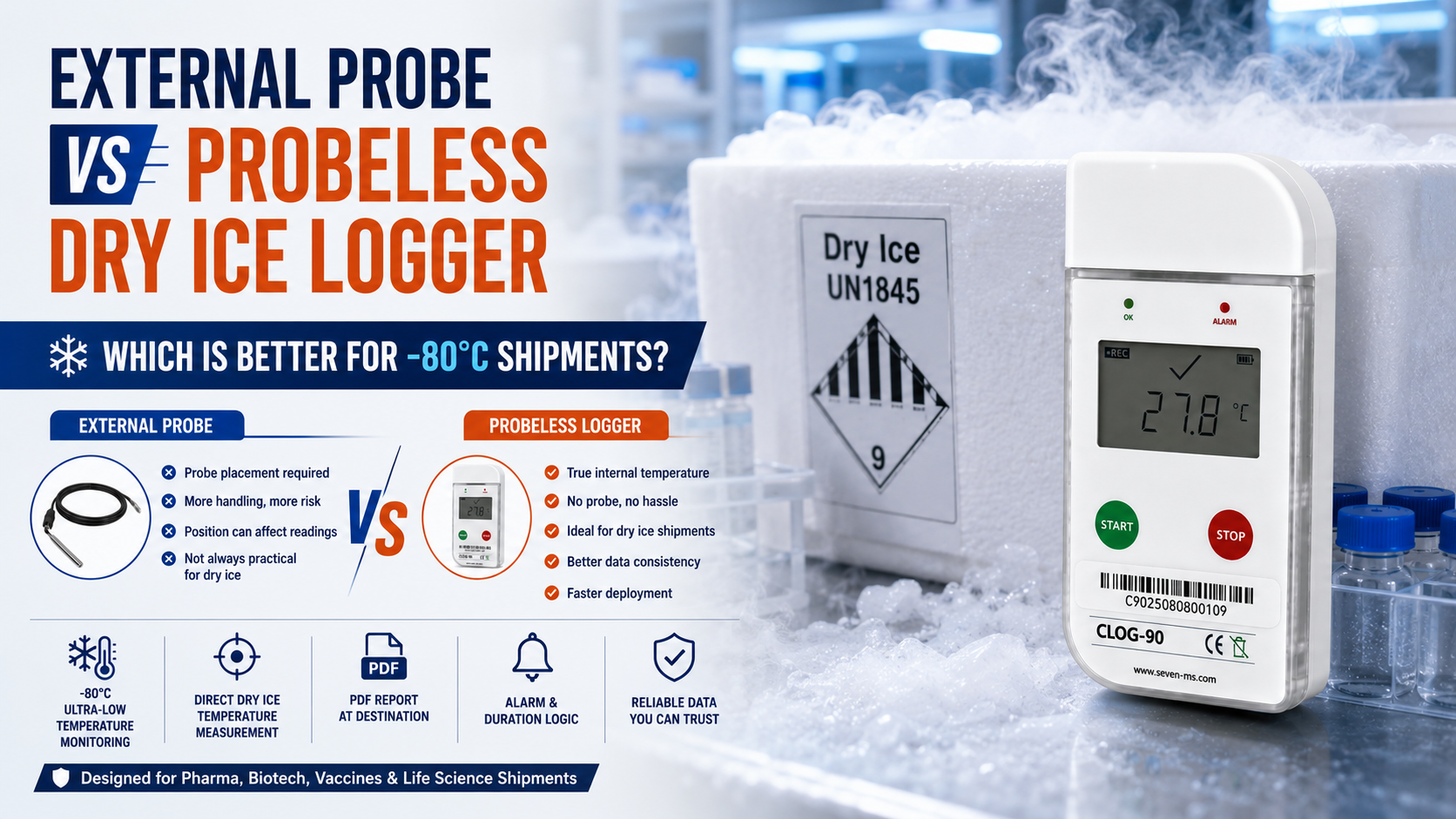
External probe or probeless dry ice logger? Compare placement, access, runtime, sensor position, workflow and best-fit scenarios for -80°C pharmaceutical and life-sciences shipments.
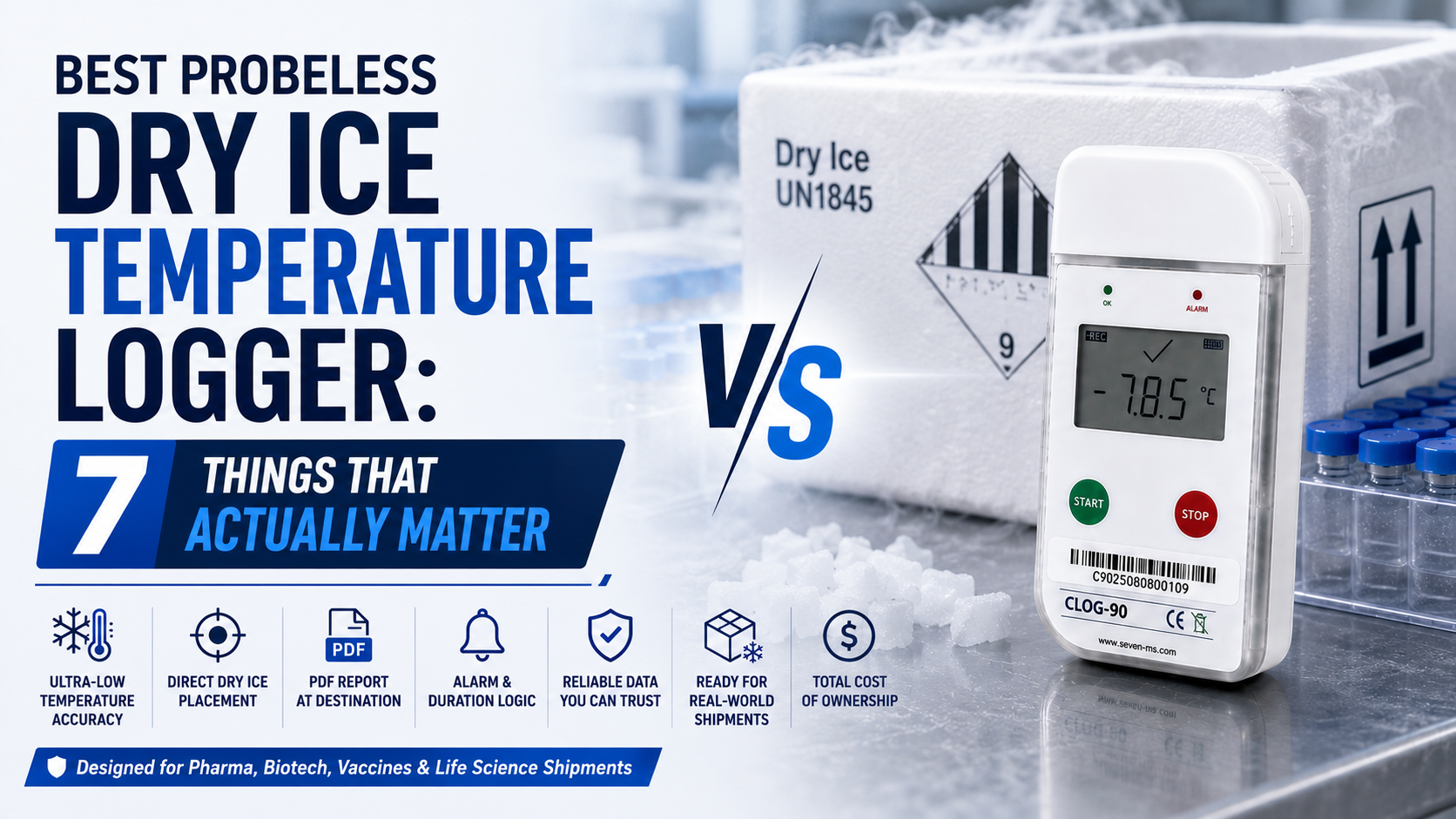
Choosing a probeless dry ice temperature logger? These seven factors matter more than the brand: real low-temperature range, accuracy, runtime, placement, alarms, report integrity, and qualification evidence.
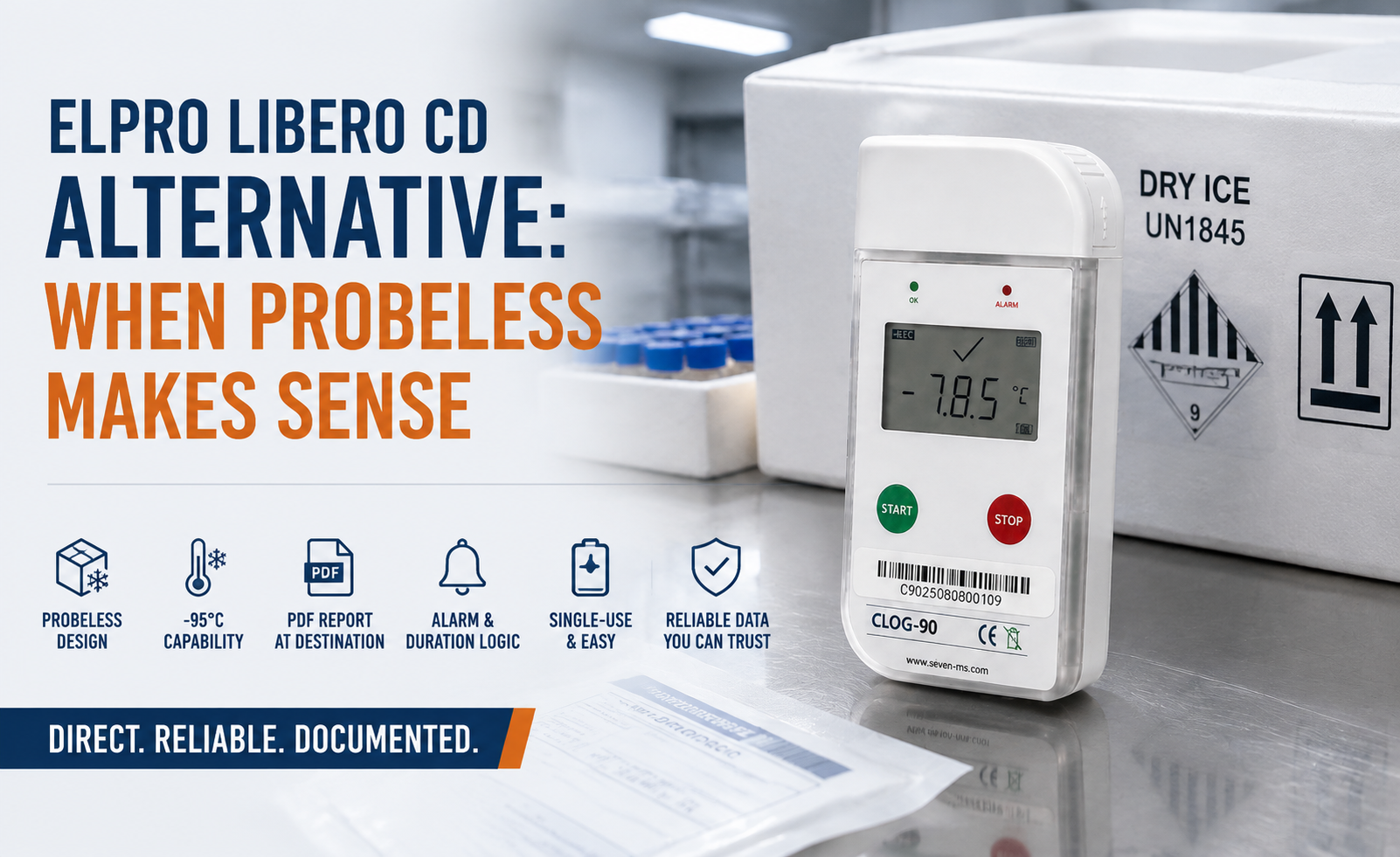
When should you consider a probeless alternative to ELPRO LIBERO CD? This guide explains where direct-placement dry ice loggers make sense, where external probes may be better, and what to consider.
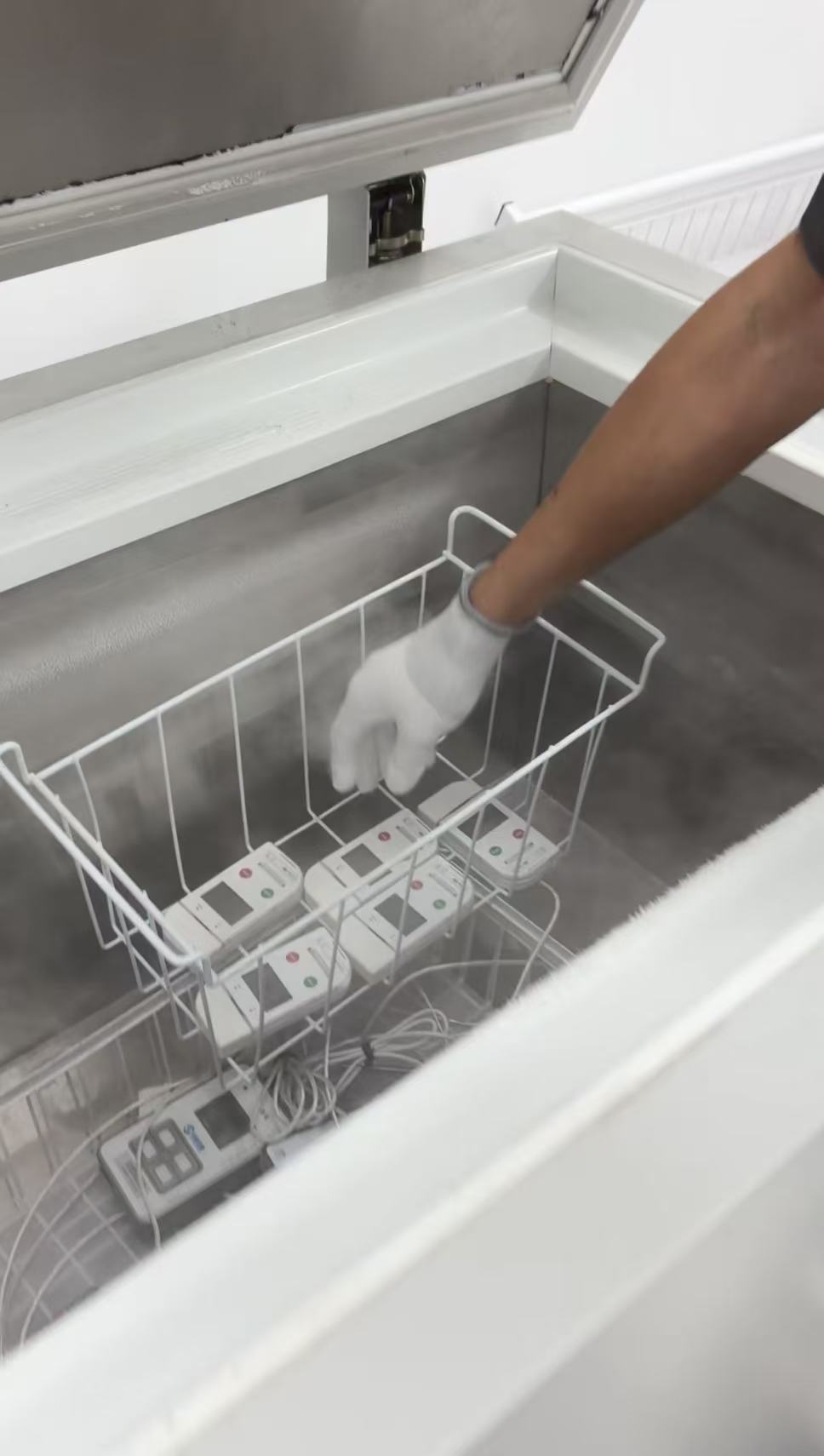
Do dry ice shipments need real-time temperature monitoring? Learn when non-connected USB data loggers can be a practical choice for ultra-low-temperature air cargo.
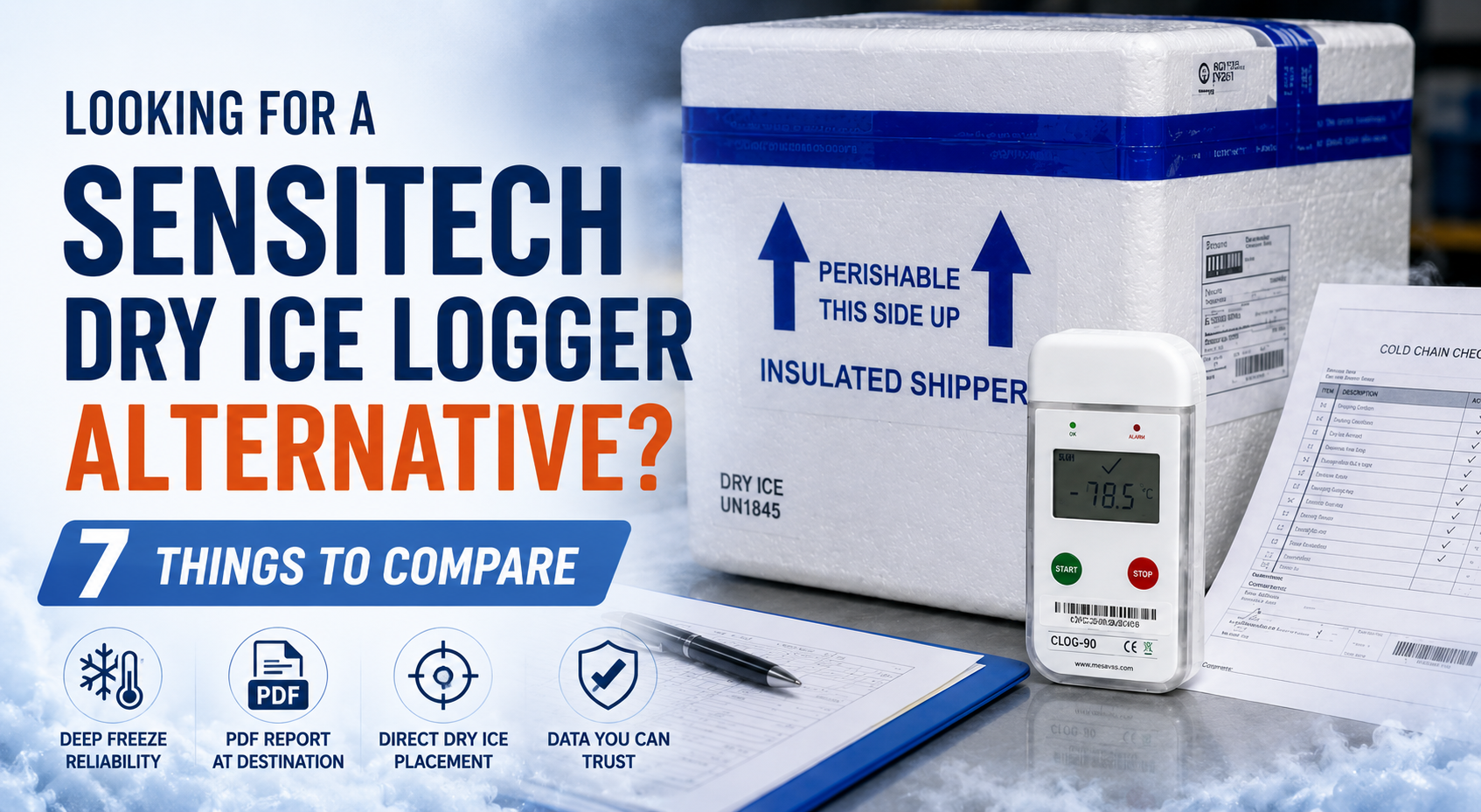
Considering an alternative to Sensitech TempTale for dry ice shipping? Compare these seven areas before changing: low-temperature range, placement, accuracy, alarms, reports, validation evidence and deployment fit.
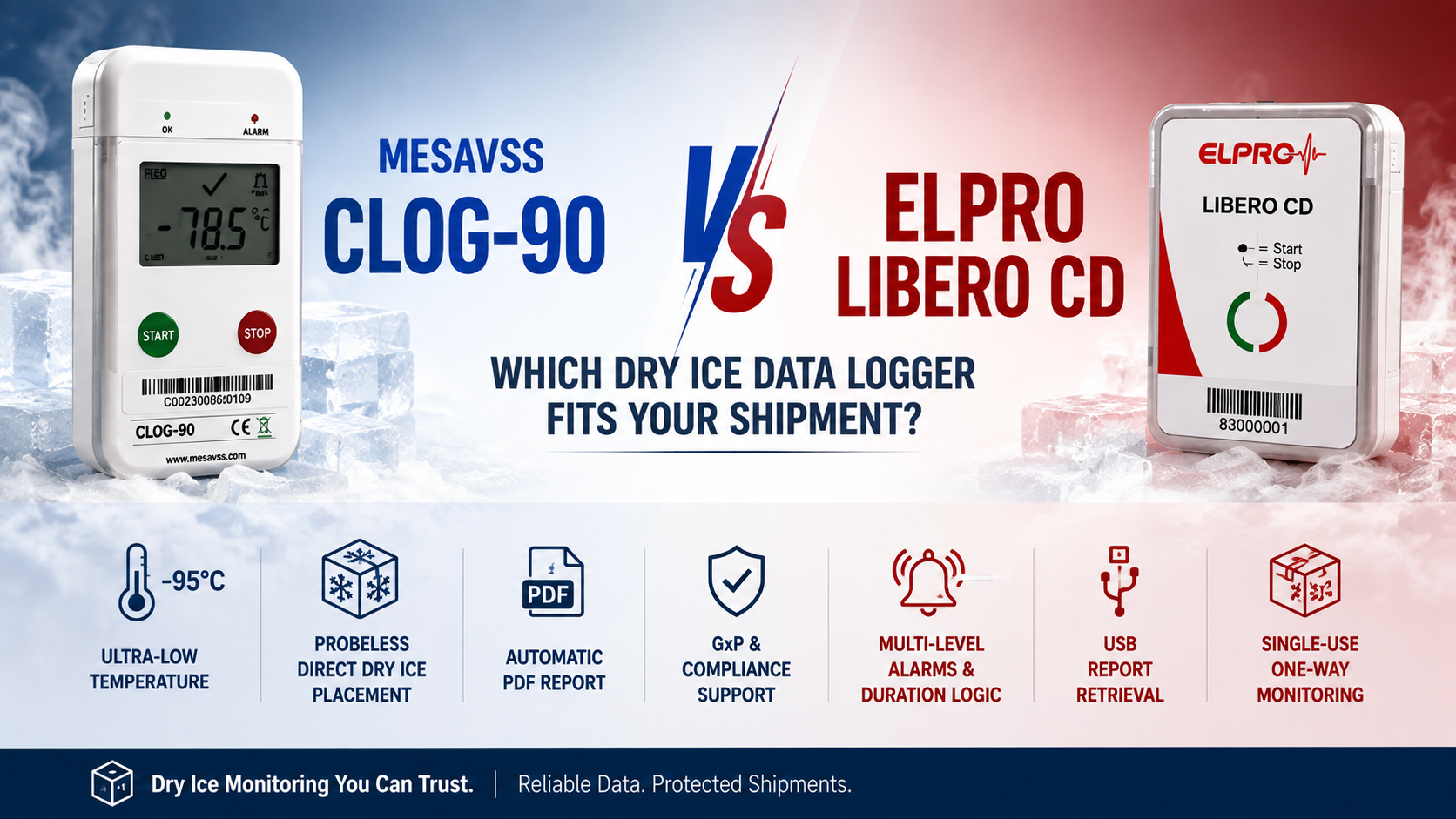
A practical CLOG-90 vs ELPRO LIBERO CD comparison for dry ice shipments, covering -95°C capability, probeless placement, PDF reporting, alarms, calibration, workflow and best-fit use cases.
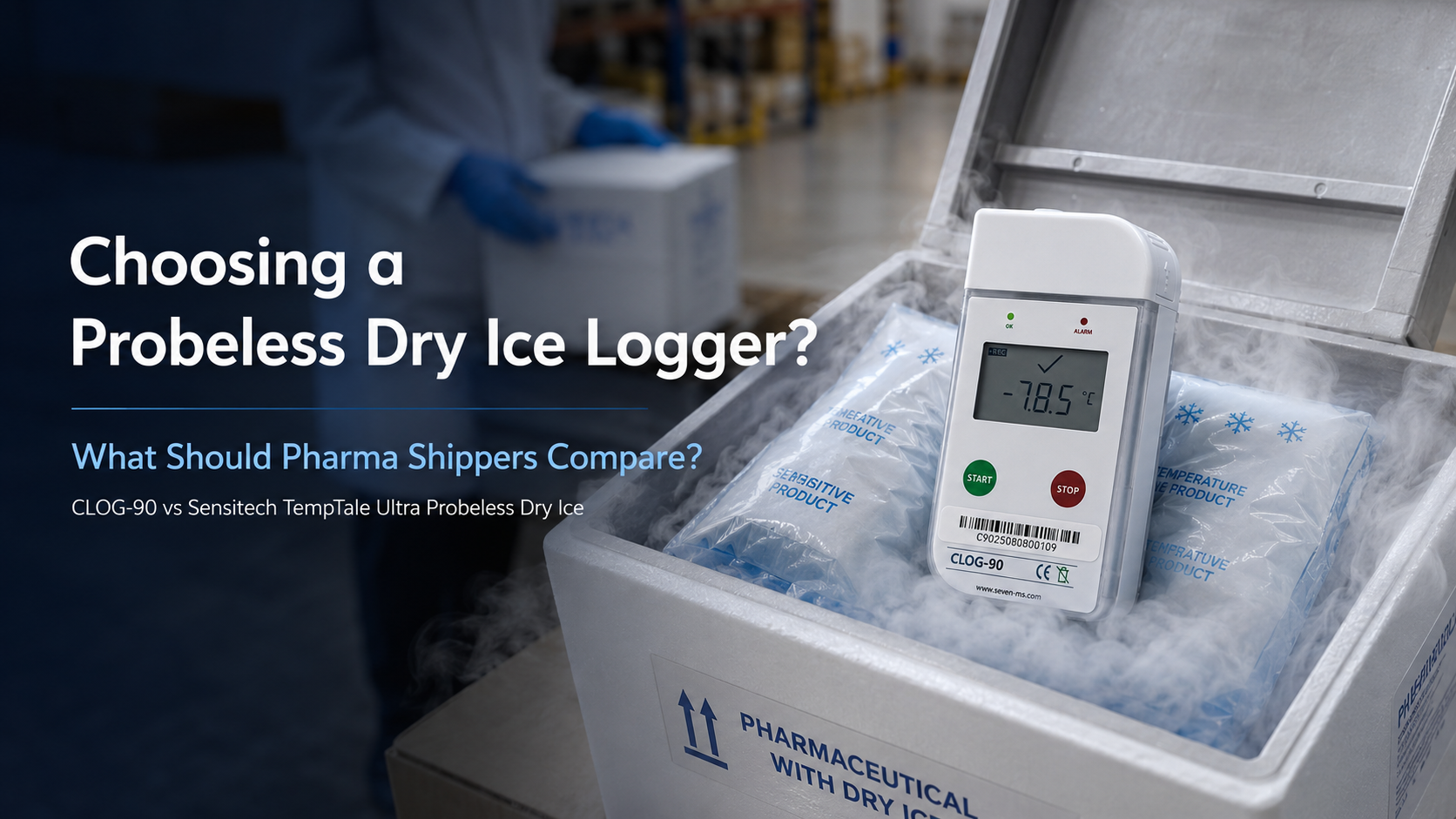
Comparing probeless dry ice temperature loggers? See what pharma shippers should check beyond the lowest temperature: placement, reporting, alarms, calibration, workflow and total deployment fit.
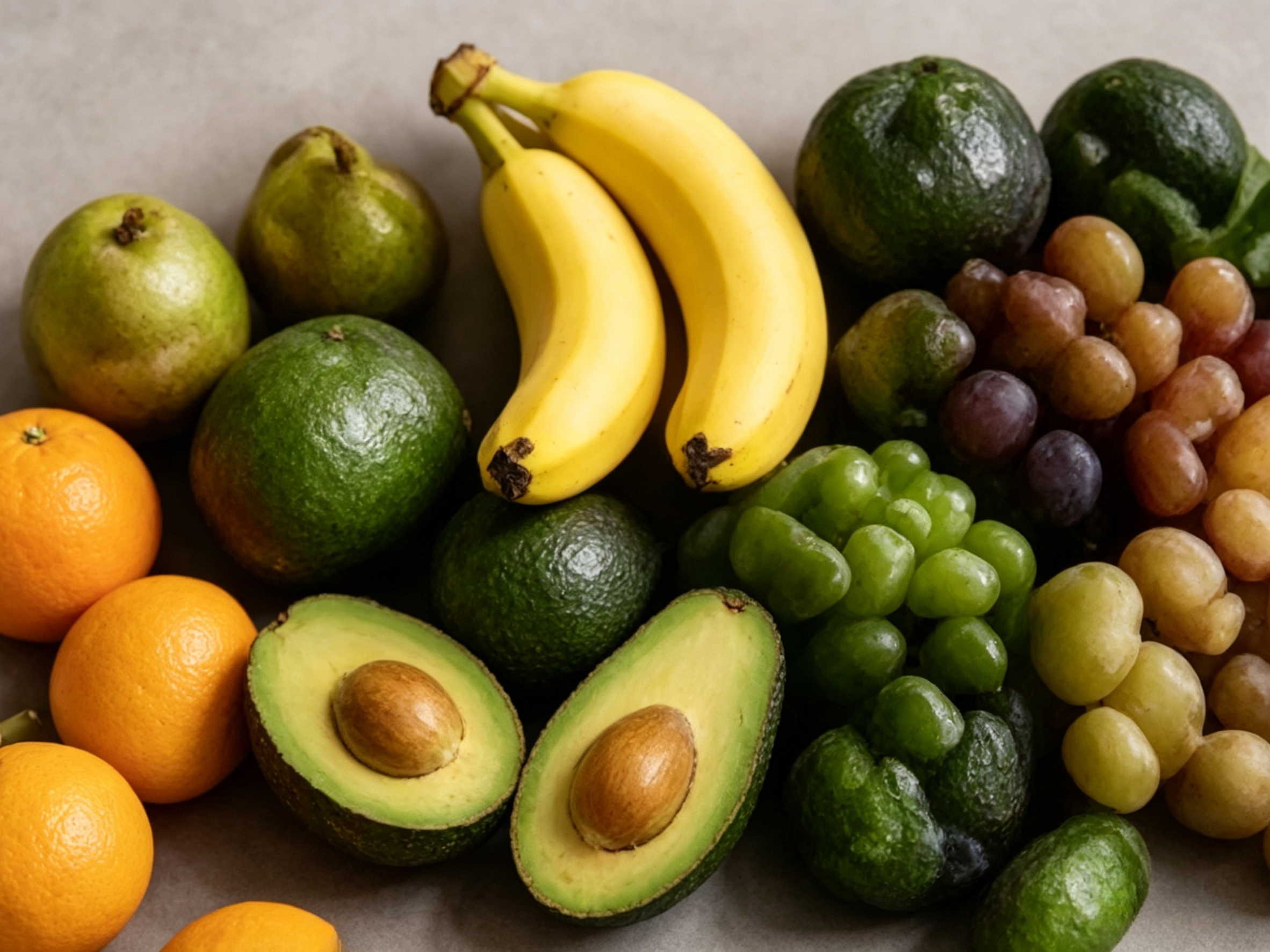
コールドチェーンは、生産、輸送、保管、小売に至るまで、世界的な生鮮食品の流通を支える中核的な仕組みです。本稿では、現代のコールドチェーンにおける重要な要素と、それが食品安全にもたらす価値について分析します。
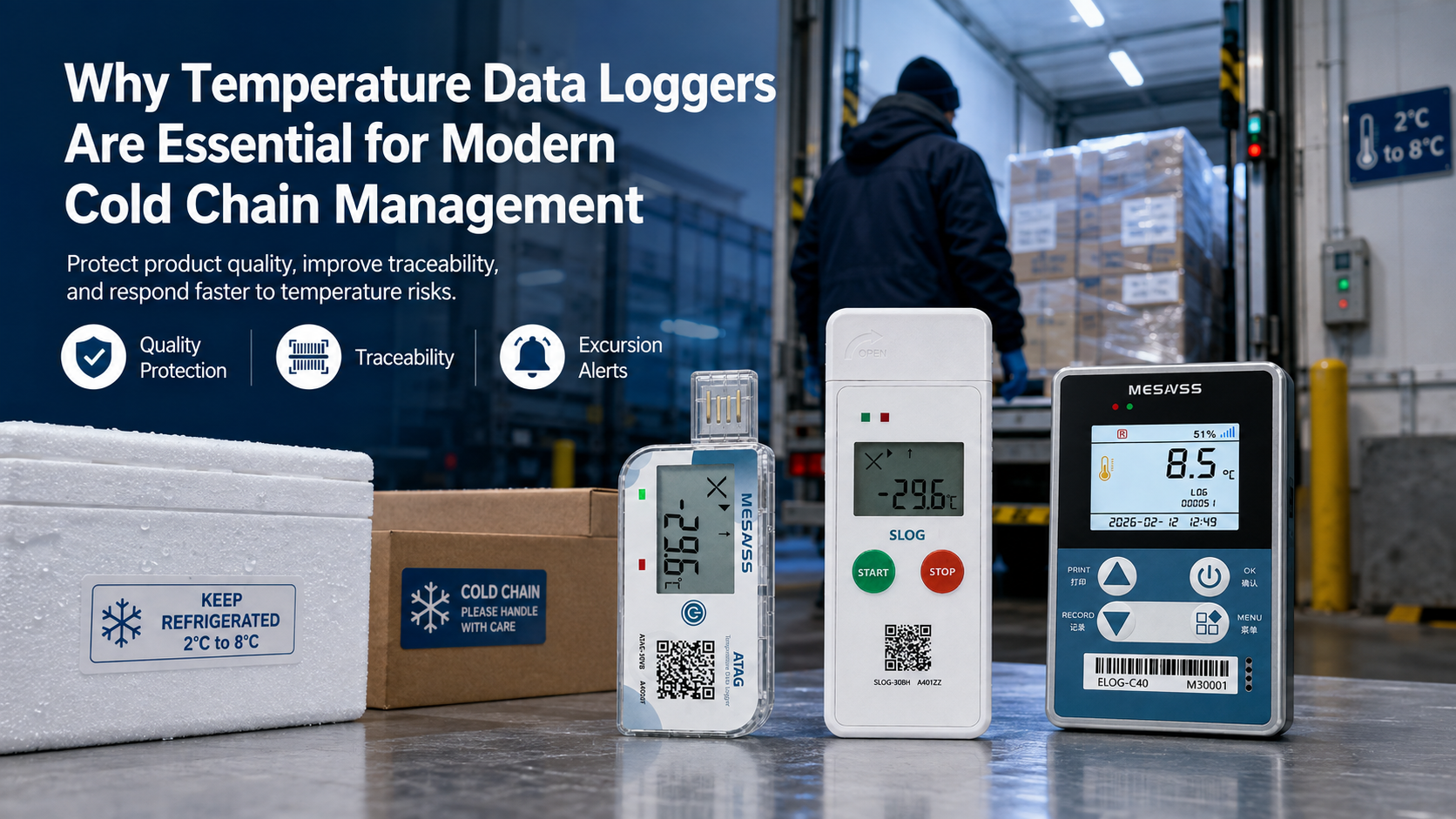
温度データロガーは、コールドチェーン貨物の全行程にわたる途切れることのない温度記録を実現します。これにより、冷蔵輸送や倉庫保管における温度測定の死角問題を解決し、企業が世界的な食品安全管理基準を順守できるよう支援します。
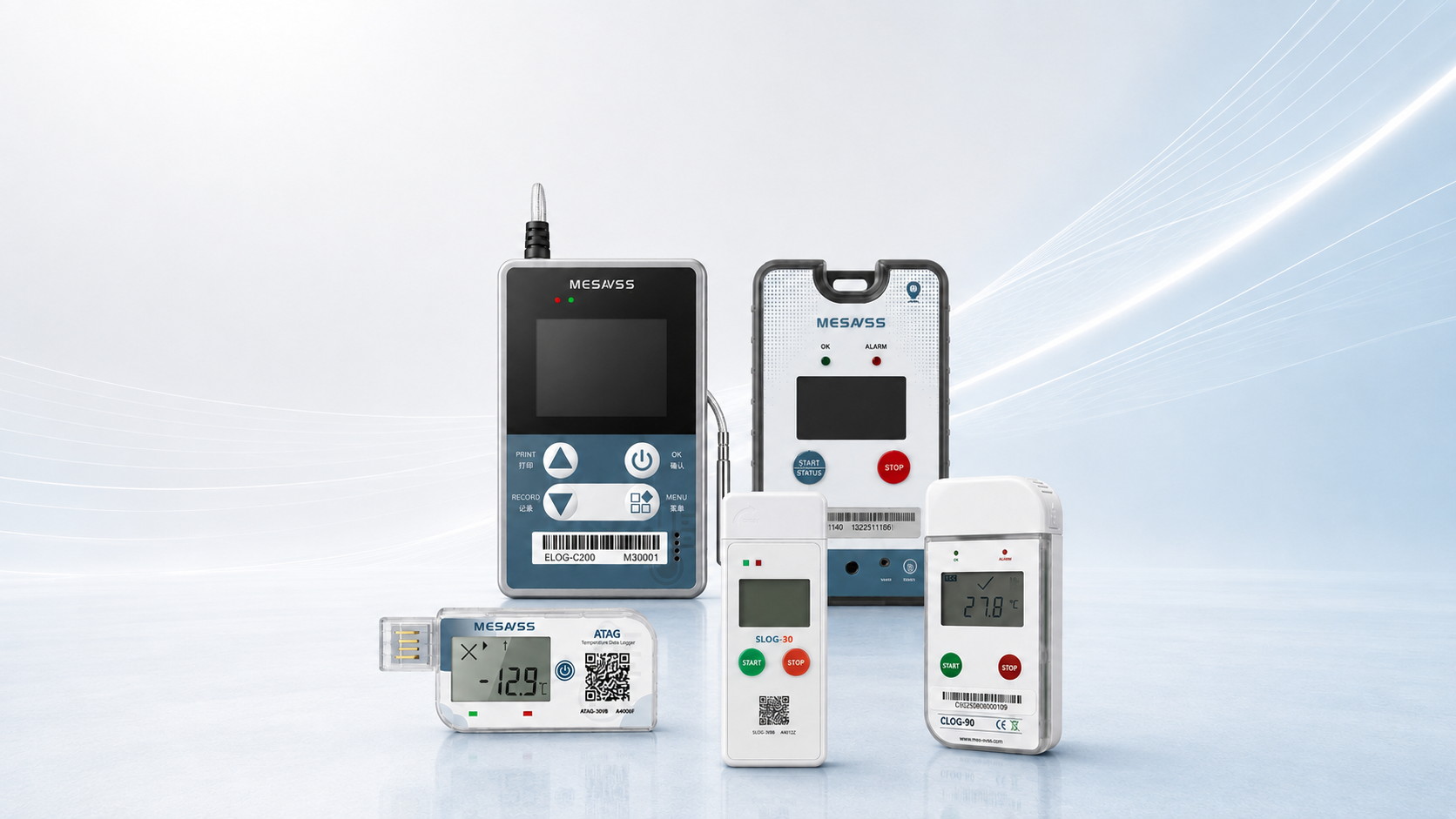
A temperature data logger is a compact electronic instrument that measures temperature at fixed intervals and stores each reading with a time stamp. In cold-chain transport, it travels with the goods and creates an objective history of the conditions experienced between dispatch and receipt. Depending on the model, the record is retrieved as a PDF or CSV file, read through Bluetooth, or transmitted to a cloud platform in near real time.
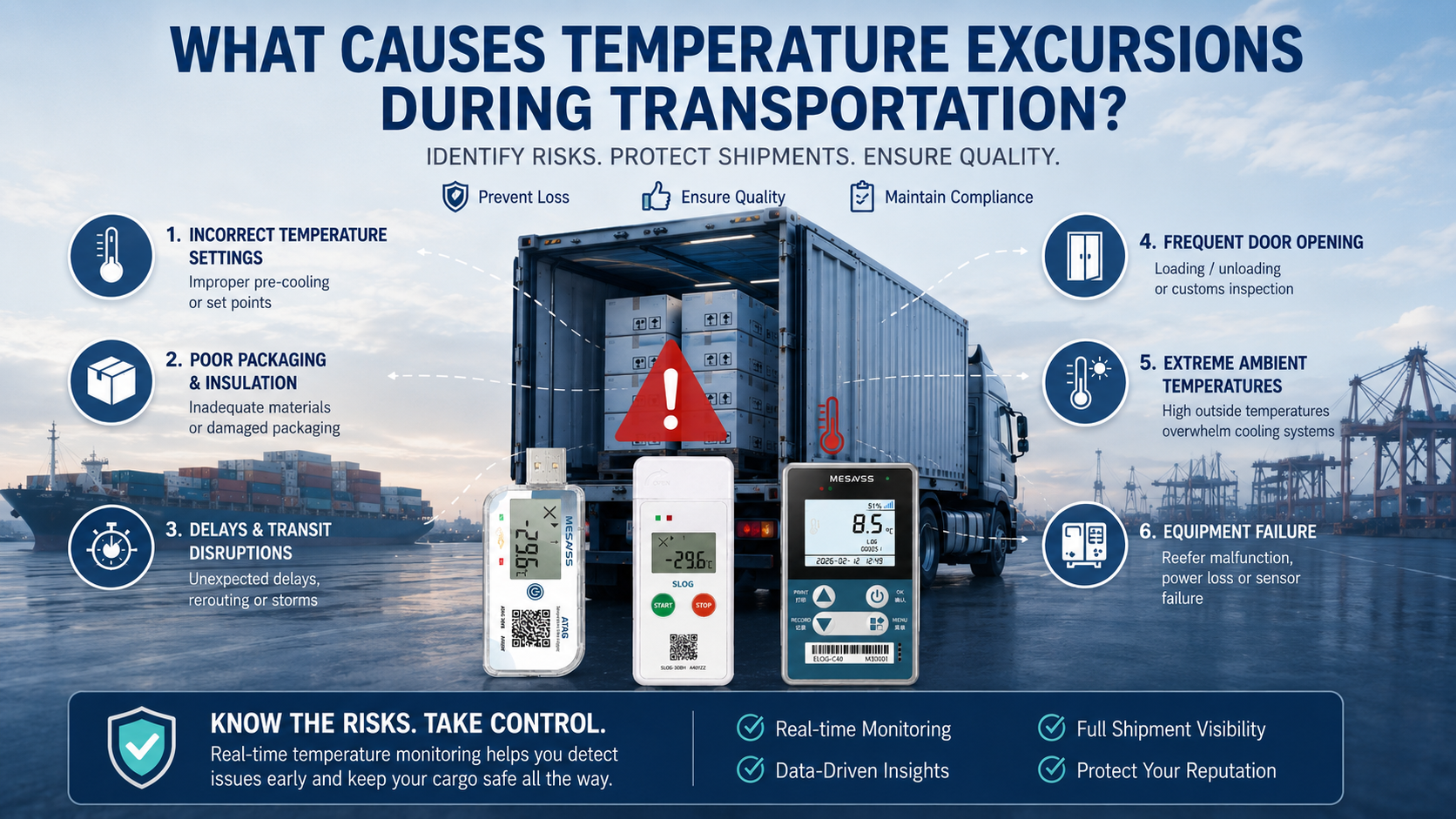
Learn the main causes of cold-chain temperature excursions, how to identify the root cause from logger data, and which controls reduce repeat failures.
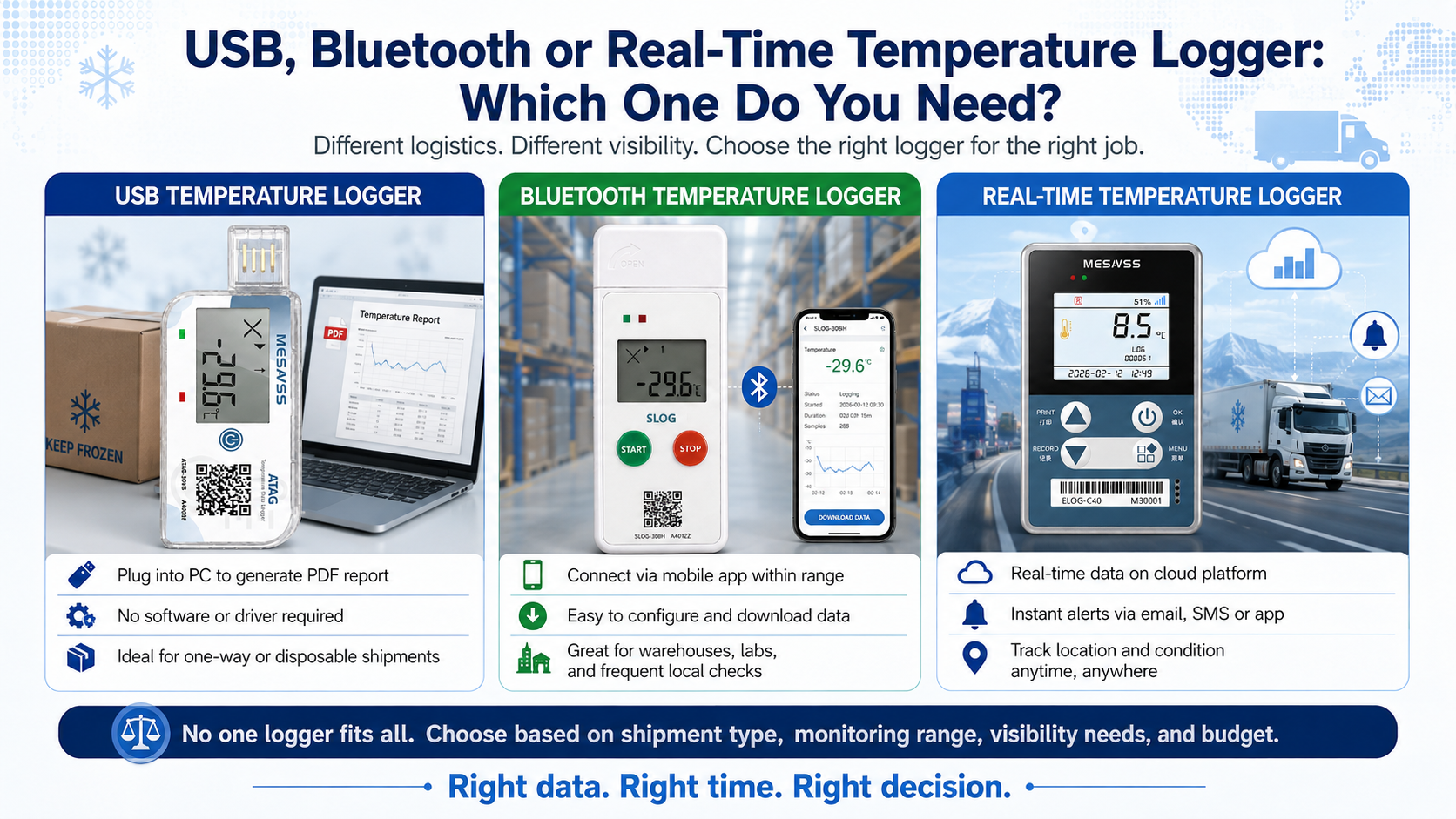
Compare USB, Bluetooth, and real-time temperature loggers by data access, alerts, connectivity, cost and cold-chain use case.
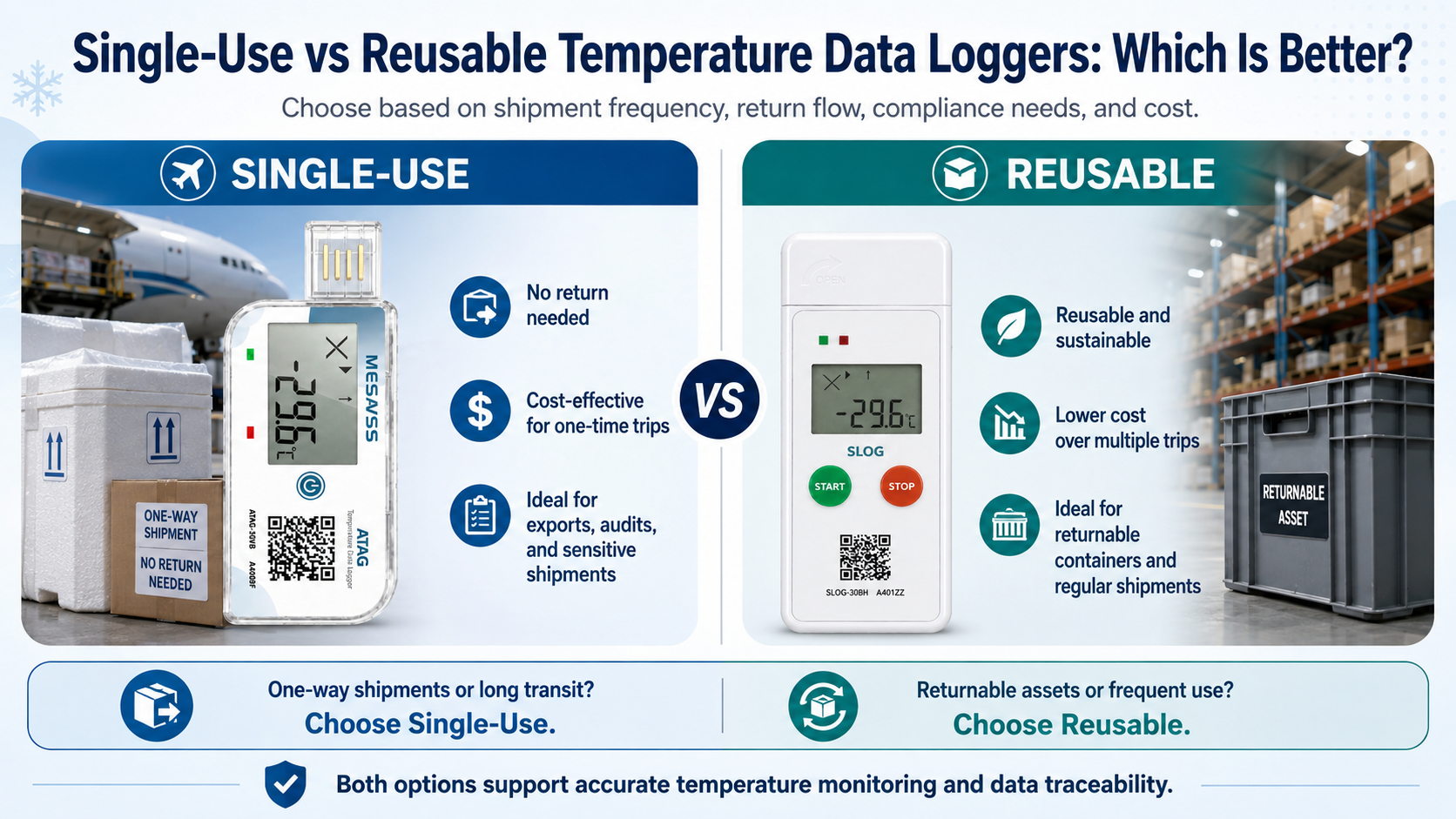
Compare single-use and reusable temperature data loggers by workflow, cost, return logistics, calibration, sustainability and shipment risk.
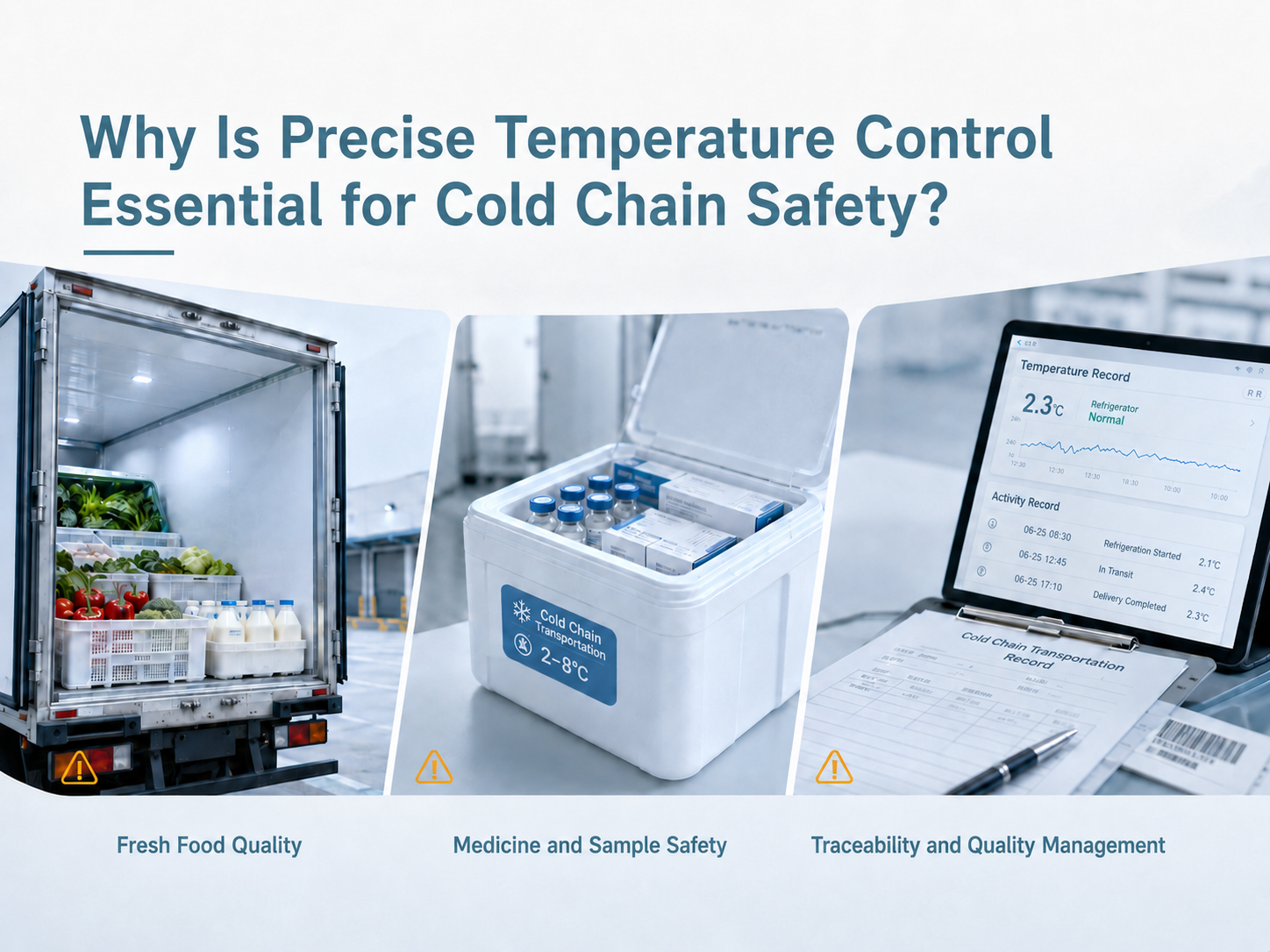
Use this practical 10-point framework to choose a cold-chain temperature logger by range, accuracy, trip, report, connectivity and compliance needs.
医薬品のコールドチェーンは、食品のコールドチェーンに比べ、より厳格な温度管理精度とトレーサビリティの基準が求められます。本記事では、温度範囲、設備構成、および業界のコンプライアンス要件における主な相違点を解説します。